
Most homeowners focus on what will increase their home’s value.
New kitchens. New bathrooms. New floors.
But in real life, value is often lost long before it is gained.
In Queens and Long Island, I see the same pattern over and over. Homes don’t fail to sell because they lack upgrades. They struggle because of avoidable mistakes that quietly reduce buyer confidence, interest, and willingness to pay.
If you’re planning to sell, understanding what lowers value is the fastest way to protect it.
Let’s talk about the real culprits.
1. Overpricing at the Start
This is the single most damaging mistake sellers make.
When a home is priced too high:
Buyers scroll past it
Showing activity slows
The listing goes stale
Price drops follow
Buyer confidence erodes
Even if the price is eventually corrected, the damage is done. Buyers remember how long the home sat. They assume something is wrong.
In Queens and Long Island, where buyers compare dozens of similar listings online, first impressions are permanent.
Overpricing doesn’t test the market.
It weakens your negotiating position.
2. Poor Presentation That Signals Deferred Maintenance
Buyers don’t just look at what is broken. They look at what appears neglected.
Common value killers:
Dirty grout
Peeling caulk
Burned-out light bulbs
Chipped paint
Old fixtures
Cluttered rooms
Worn carpets
These details don’t just look cosmetic. Buyers interpret them as signs of deeper issues and mentally discount your home before making an offer.
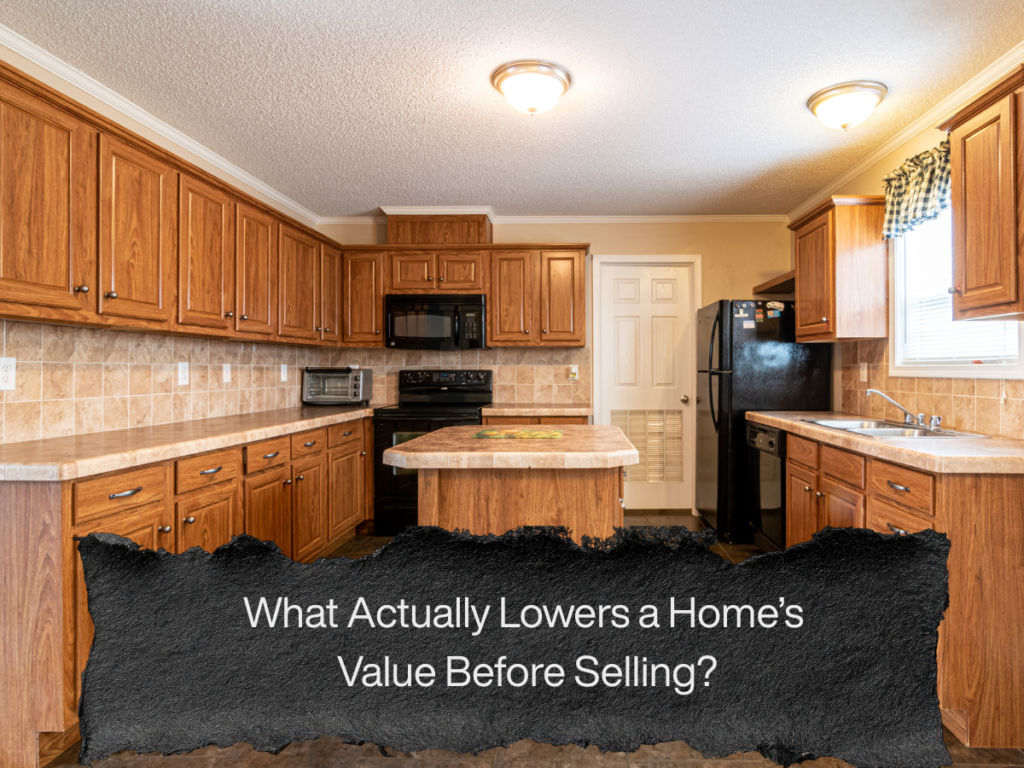
3. Dark, Heavy, or Dated Interiors
Light sells. Darkness costs money.
Homes lose value when they feel:
Dim
Closed-in
Overly personalized
Outdated in tone
Common offenders:
Heavy drapes
Dark wall colors
Brown or gold tones
Busy granite
Patterned tile
Oversized furniture
Even buyers who want to renovate react emotionally first. If a home feels heavy or dated, they assume the work will be bigger and more expensive than it actually is.
4. Ignoring the Rooms Buyers Care About Most
Not all rooms matter equally.
Value is lost when sellers invest energy in the wrong places and ignore the ones buyers focus on.
Rooms that matter most:
Kitchen
Living room
Primary bedroom
Main bathroom
Any flex or office space
Rooms that matter less:
Formal dining rooms
Specialty rooms
Overdesigned spaces
If these key rooms feel neglected, buyers discount the entire home.
5. Pricing Based on Active Listings Instead of Sold Data
Active listings are aspirations.
Sold listings are proof.
When sellers price based on:
What neighbors are asking
What they hope to get
What they need to net
They often miss the reality of what buyers have already paid.
In Queens and Long Island, value is set by:
Recent sold data
Condition relative to comps
Buyer demand at that price point
Ignoring sold data quietly erodes value by keeping the home misaligned with the market.
6. Multiple Small Price Drops Instead of One Strategic Adjustment
Repeated price reductions send the wrong message.
Buyers interpret them as:
Seller hesitation
Hidden problems
Opportunity to wait
One meaningful correction aligned with sold comps is far more effective than several small reductions spread over months.
Value isn’t just about price. It’s about confidence.
7. Poor Photography and Weak Online Presentation
Buyers decide whether to see your home in seconds.
Value is lost when:
Photos are dark
Angles are unflattering
Rooms feel cluttered
Lighting is inconsistent
The story is unclear
A home that looks worse online than it does in person loses showings. Fewer showings mean fewer offers. Fewer offers mean lower value.
8. Limited Showing Access
Accessibility affects value.
Homes lose momentum when:
Showings are restricted
Appointments are difficult
Tenants are uncooperative
Schedules are inflexible
Buyers move on quickly. If seeing your home feels hard, they assume owning it will be harder.
9. Mislabeling or Overstating Features
Calling a Junior 1 a one-bedroom.
Calling a Junior 4 a two-bedroom without legal confirmation.
Overselling upgrades that aren’t there.
These mistakes don’t just risk credibility. They risk appraisals, financing, and board approval.
When buyers feel misled, they lower their offers or walk away entirely.
10. Waiting Too Long to Address Feedback
Buyer feedback is data.
Value is lost when sellers ignore:
Repeated comments about price
Consistent objections
Lack of follow-up
Signals the market is sending
The market always speaks. The question is whether you listen early or pay later.
The Hidden Truth About Value
Homes don’t lose value because they aren’t perfect.
They lose value because:
Expectations are misaligned
Presentation creates doubt
Pricing creates resistance
Confidence is missing
Buyers pay more when they feel certainty.
How to Protect Your Home’s Value Before Selling
Protecting value doesn’t require a renovation. It requires strategy.
That means:
Pricing based on reality, not hope
Preparing the home for clarity, not perfection
Addressing objections before buyers voice them
Presenting the home honestly and professionally
Positioning it correctly in search results
A Smart Next Step
If you’re planning to sell and want to know what might be quietly lowering your home’s value before you list, I can help.
I’ll walk through your home and show you:
What buyers will notice immediately
What matters and what doesn’t
Where value is being lost
How to correct it without overspending
Text or call me at 347-612-2964 or book a one-one consultation.
I’m Claudia Looi, a Queens and Long Island listing agent. I help homeowners protect value, avoid costly mistakes, and sell with clarity and confidence.
About the Author
Claudia Looi is a Queens and Long Island real estate listing agent specializing in neighborhood-specific pricing strategy, co-ops, single-family homes, and rightsizing during major life transitions. Her content focuses on helping homeowners understand how market behavior, buyer psychology, and local conditions affect real-world sale outcomes.